Hey there, Yogis!
Today we wanted to explore what Compassion means and why it truly matters.
Compassion involves feeling another person's pain and wanting to take steps to help relieve their suffering. The word compassion itself derives from Latin and means “to suffer together.”
It is related to emotions such as sympathy, empathy, and altruism, although each concept has important differences.
Empathy refers to the ability to understand another person's perspective and feel their emotions. Compassion, on the other hand, goes a step further — it arises when empathy is accompanied by a genuine desire to help.
Compassion is important because it promotes meaningful human connection, facilitates problem-solving, and supports emotional and physical well-being.
At its core, compassion means setting aside judgment and choosing not to turn away from difficult situations. It involves recognizing the struggles of others and responding with care and intention.
Types of Compassion
Compassion for others
When you feel compassion for other people, animals, or living beings, you recognize their pain and feel motivated to help relieve their suffering. These feelings inspire action and encourage kindness, understanding, and support.
Self-compassion
Self-compassion involves treating yourself with the same kindness and patience you would offer to someone you care about.
Instead of criticizing yourself for past mistakes, self-compassion invites understanding, acceptance, and mindfulness toward your own imperfections.
It reminds us that being human includes learning, growing, and sometimes stumbling along the way.
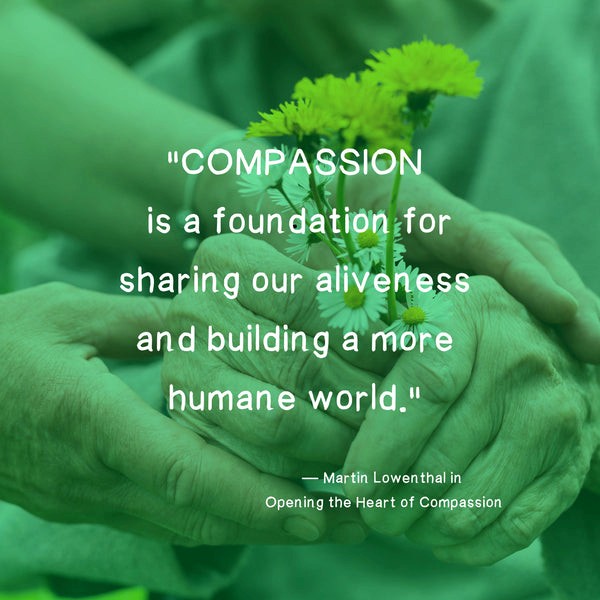
I. A quote by Martin Lowenthal
Opening the Heart of Compassion
"Compassion is a foundation for sharing our aliveness and building a more humane world."
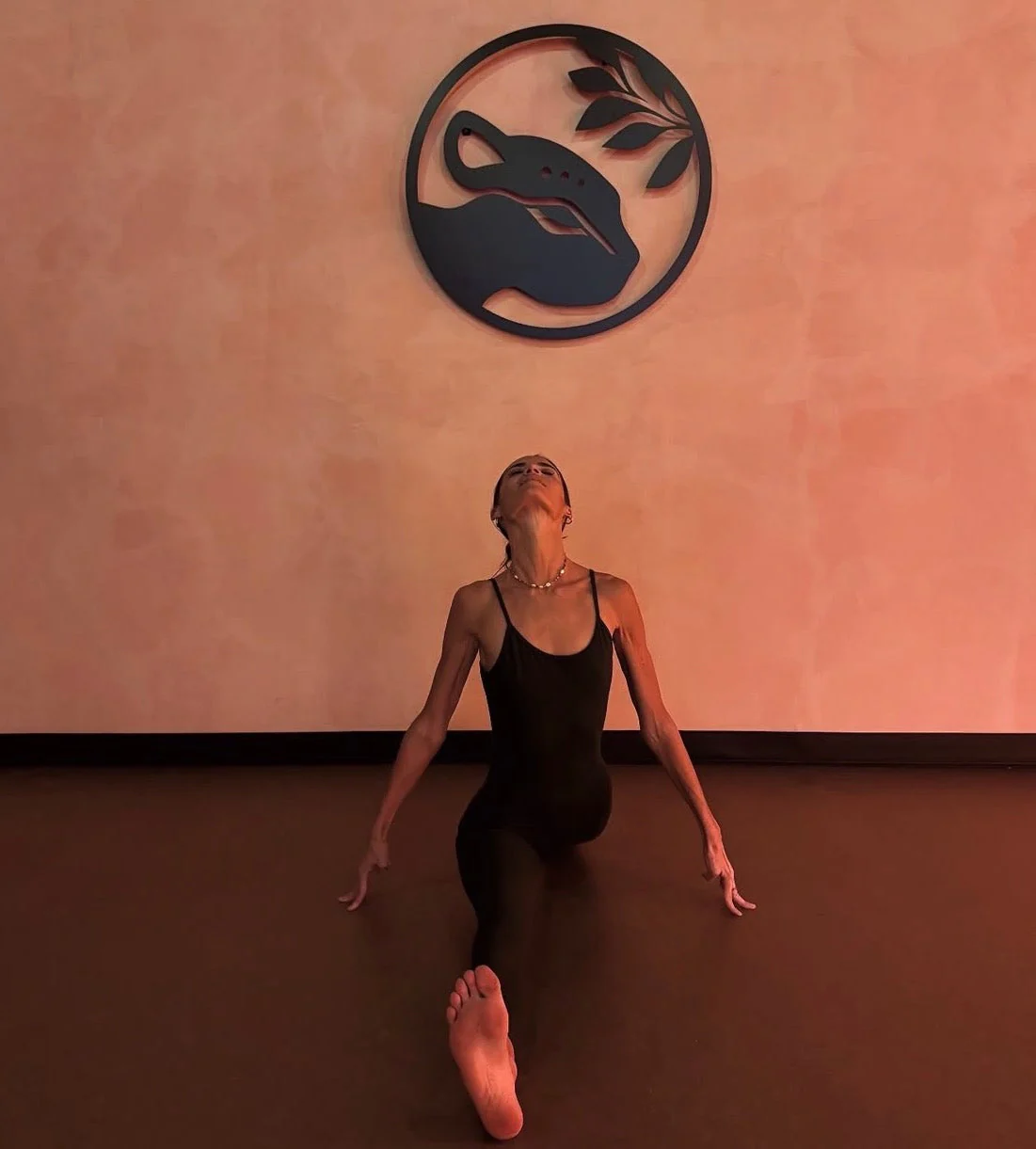
II. Bhujangasana — An Asana for Flexibility and Heart Opening
Cobra Pose, or Bhujangasana (boo-Jahn-GAHS-uh-nuh), is an energizing backbend performed lying on the belly. It is an essential part of many sun salutations.
The name comes from the Sanskrit words Bhujang, meaning serpent, and Asana, meaning pose.
This posture is widely recognized for helping relieve back discomfort while strengthening the spine and opening the chest.
According to traditional yogic philosophy, this pose is believed to awaken Kundalini, the vital energy associated with self-awareness and transformation.
Some benefits of Bhujangasana include:
Opens the chest and lungs.
Strengthens the spine and back muscles.
Stretches the chest, shoulders, and abdomen.
Stimulates abdominal organs.
Helps relieve stress and fatigue.
Supports balance in the reproductive system.
🧘🏽♀️🐍
III. Wonder | Film
Wonder tells the deeply inspiring and heartwarming story of August Pullman, a boy with facial differences who enters fifth grade and attends a mainstream school for the first time.
The film beautifully explores themes of kindness, empathy, acceptance, and the power of compassion in everyday life.
Watch the trailer.
That would be all for today.
Thank you for reading, and please feel free to share your thoughts about compassion with us. We would love to hear from you.
Xoxo
Treelance Yoga